
- All
- Product Name
- Product Keyword
- Product Model
- Product Summary
- Product Description
- Multi Field Search


Ever wondered what makes your shower head so effective? The parts of a shower head can impact water flow, pressure, and temperature. Understanding these components is key to optimizing your shower experience.
In this article, we’ll explain why knowing the parts of your shower head matters. We’ll also cover the main components and their roles, helping you make an informed choice when selecting or maintaining your showerhead.
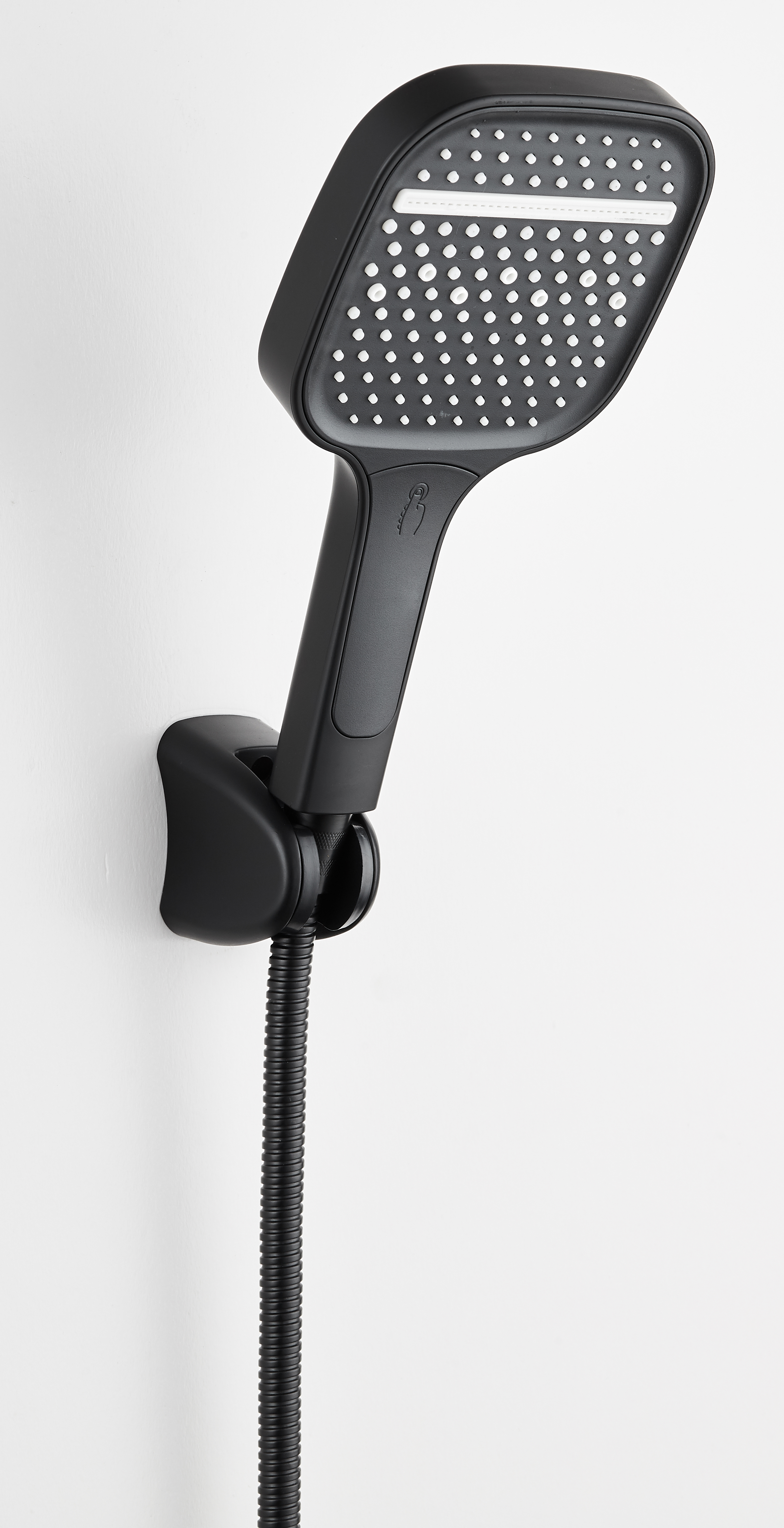
The faceplate is the most noticeable part of the showerhead. It serves as the surface through which water flows, providing the primary interface between you and the water. It is typically made of either metal or plastic. Metal options like chrome or stainless steel are highly durable and resistant to rust. They also give a sleek, polished finish. Plastic faceplates, on the other hand, are more lightweight and affordable, though they might not last as long.
The shape of the faceplate plays an important role in water distribution. It works in tandem with the nozzle arrangement to direct water flow, determining how the water will spread. For example, a flat faceplate with evenly spaced nozzles might create a uniform spray, while a curved or contoured faceplate can deliver a more concentrated or targeted stream.
Faceplates also come in different aesthetic designs. Some are simple and functional, while others are designed with intricate patterns to match various bathroom styles. Whether your bathroom is modern or traditional, there's a faceplate design that can complement it.
Showerhead nozzles are small openings that regulate the direction and force of water. These nozzles can be made from different materials like silicone, rubber, and metal. Silicone nozzles are particularly popular for their self-cleaning features, which help prevent mineral buildup. Rubber nozzles are more flexible and can expand and contract with pressure, helping to maintain consistent water flow.
The type and arrangement of nozzles in a showerhead can greatly influence the water pressure and spray pattern. A showerhead with fewer, larger nozzles typically creates a more powerful stream, while a showerhead with more nozzles offers a softer, more widespread spray. Additionally, nozzles play a significant role in the overall shower experience, allowing you to enjoy a steady flow of water that is gentle or forceful, depending on your preferences.
A key advantage of rubber and silicone nozzles is their ability to prevent the buildup of limescale, which can clog and impair water flow. Over time, hard water minerals accumulate inside nozzles, affecting the shower’s performance. Self-cleaning nozzles make it easier to maintain water pressure and extend the life of the showerhead.
The swivel ball joint is an adjustable component that connects the showerhead to the arm. It allows you to easily change the direction of the water spray, offering a more customizable shower experience. With this feature, you can tilt and rotate the showerhead to direct the water where you need it, whether it’s aimed at your head, back, or legs. This added flexibility makes it ideal for households with multiple people, as everyone can adjust the water flow to their preferred angle.
The swivel ball joint is made of a sturdy material, such as metal or plastic, and allows for smooth adjustments. However, it can sometimes be a source of leaks. Over time, the joint can become loose or worn out, causing water to seep out. To prevent this, it’s important to regularly check the tightness of the joint and ensure it’s properly sealed. If a leak develops, replacing the worn-out components or re-tightening the joint can restore its function.
The shower arm and flange are the backbone of the showerhead assembly. The arm is the pipe that extends from the wall, holding the showerhead at an optimal height. It’s an essential component for ensuring the showerhead stays securely in place. The flange is a decorative plate that conceals the connection between the shower arm and the wall, giving the entire showerhead setup a clean and finished look.
Shower arms come in a variety of materials and styles. Common options include brushed nickel, chrome, and matte black. Each material provides a different aesthetic and level of durability. For example, chrome offers a shiny, modern finish, while matte black gives a more contemporary, sleek appearance. Additionally, the length and design of the shower arm can affect the shower experience. A longer arm allows the showerhead to be positioned farther away, giving you more space to move, while a shorter arm may be suitable for smaller shower areas.
The flange is typically designed to match the shower arm and can also come in different finishes. It helps create a polished look by covering the joint where the arm meets the wall. Some flanges are simple, while others feature decorative elements to add a touch of elegance to the showerhead setup.
A flow restrictor is a small but important part of many modern showerheads. Its job is simple: to reduce the amount of water flowing through the showerhead. The flow restrictor is essential for water conservation, especially in areas where water use is regulated. In fact, federal regulations often require showerheads to have flow restrictors. These regulations set a standard flow rate limit of 2.5 gallons per minute (GPM), which helps reduce water waste and lower water bills.
However, the flow restrictor can affect your shower experience. When the water flow is limited, you might notice a drop in water pressure. While it’s great for saving water, some people might find it doesn’t provide the strong, forceful spray they prefer. In homes with low water pressure, this effect may be even more noticeable, potentially making your shower feel weaker than desired.
Can you remove or modify the restrictor? Some people do, hoping to boost water pressure and flow. While this can make the shower feel more powerful, it’s important to keep in mind that this also increases water usage. Removing the restrictor may cause the showerhead to exceed the 2.5 GPM limit, leading to higher water consumption and possibly higher water bills. It’s also worth noting that doing so may void the manufacturer’s warranty or not comply with local regulations.
Many modern showerheads include built-in filters designed to purify the water. These filters come in a variety of types, including mesh screens, KDF-55 filters, and activated carbon. Each type serves a different purpose, but all work to improve the water quality.
Mesh Screens: These are simple filters that catch larger particles like dirt and rust. They are generally easy to clean and maintain, making them a good option for those looking for basic filtration.
KDF-55 Filters: KDF (Kinetic Degradation Fluxion) filters are designed to remove chlorine, heavy metals, and other impurities from the water. They use a copper-zinc alloy that helps to break down contaminants, providing cleaner, fresher water.
Activated Carbon: This filter type is known for absorbing chlorine, chemicals, and odors. It works by trapping these contaminants in its porous structure, helping to improve the overall feel and smell of the water.
By using these filters, you can enjoy softer, cleaner water. This is especially important for people with sensitive skin, as chlorine and other chemicals can cause irritation. Regularly cleaning or replacing the filter is essential for maintaining optimal performance. Over time, the filter can become clogged with contaminants, reducing its effectiveness. Make sure to follow the manufacturer’s instructions for cleaning or replacing the filter to keep the water quality high.
Inside every showerhead, there are a series of internal water channels. These channels guide water from the inlet to the nozzles, directing the flow to create different spray patterns. The design of these channels can vary greatly between different types of showerheads, impacting how the water flows and feels when it hits your body.
The internal water channels play a significant role in the spray experience. For example, showerheads designed for a massage spray typically have narrower channels that increase water pressure at certain points, creating a pulsing effect. On the other hand, showerheads designed for rain-like sprays have larger, evenly distributed channels that allow for a smooth, gentle flow of water.
The complexity of the water channels directly influences how well the showerhead performs. High-quality showerheads often have more intricate internal water channels, which allow for a broader range of spray options. Some designs feature multiple spray settings, such as a wide rain spray, a focused jet spray, or a soothing massage spray. This versatility allows you to customize your shower experience based on your preferences.
A thermostatic showerhead includes a special internal component called the mixing chamber. This chamber plays a crucial role in maintaining a consistent water temperature by mixing hot and cold water in the right proportions. The mixing chamber uses a thermostatic valve that adjusts the balance of hot and cold water to keep the temperature steady throughout your shower.
Thermostatic showerheads are especially beneficial for households with children or elderly individuals. Sudden changes in water temperature, often caused by fluctuations in water pressure, can lead to discomfort or even scalding. The mixing chamber helps to prevent this by ensuring that the water remains at a safe and comfortable temperature, no matter what happens elsewhere in your plumbing system.
In addition to safety, thermostatic showerheads improve comfort. If you set your preferred temperature, the mixing chamber will maintain it, so you don’t have to keep adjusting the taps as the water fluctuates. This convenience is a significant advantage, especially during longer showers.
The thermostatic valve inside the mixing chamber is sensitive to temperature changes. If the hot or cold water supply is interrupted, it will automatically adjust the mix to prevent any sudden temperature spikes. This feature is particularly useful in households where the water temperature fluctuates frequently due to high-demand appliances, like washing machines or dishwashers.
Rain shower heads offer a truly relaxing shower experience. They differ from other types mainly due to their larger faceplate, which provides broad, even coverage. A common size for rain shower heads is 8 to 12 inches in diameter, ensuring a wide spray pattern that mimics natural rainfall. This type of showerhead delivers a gentle, soothing flow of water, unlike more concentrated types like jet or massage sprays.
Rain shower heads are perfect for those looking to create a spa-like atmosphere in their bathroom. If you want a luxurious shower that envelops you in water from all angles, a rain shower head is the way to go. It's ideal for relaxation and adding elegance to luxury bathroom designs.
A handheld shower head is one of the most versatile shower fixtures available. Unlike fixed shower heads, it can be removed from its mount and used as a handheld unit. This flexibility makes it easy to direct the water exactly where it’s needed. Whether you want to rinse off your body, clean your shower, or bathe pets, the handheld shower head offers convenience.
The main components of a handheld shower head include the shower hose, which can vary in length, and the mounting bracket. The hose allows you to move the showerhead freely around the shower, making it ideal for a variety of uses. Many handheld showerheads also come with adjustable spray settings, giving you more control over water flow.
This type of shower head is especially useful for families or people with special needs. For kids, elderly individuals, or those with limited mobility, the handheld showerhead offers accessibility and ease of use. It allows them to shower comfortably without having to adjust their position or reach for a fixed head.
A dual shower head setup combines the benefits of both a rain shower head and a handheld shower head. This configuration offers maximum versatility, allowing you to enjoy the luxurious experience of a rain shower or the flexibility of a handheld unit, depending on your mood and needs.
A dual shower head setup is great for couples or families who prefer different types of water flow. It provides the convenience of two showerheads, letting one person use the rain shower for a relaxing soak while the other uses the handheld shower for a more targeted spray. This setup also works well in larger showers, where two users can comfortably shower at the same time.
When choosing a shower head, consider water flow, spray patterns, and aesthetic preferences. Regular maintenance of nozzles and checking the swivel ball joint can help avoid issues. Understanding these parts will improve your shower experience, offering both comfort and efficiency.
A: The main components of a showerhead include the faceplate, nozzles, swivel ball joint, arm, flange, flow restrictor, filter, internal water channels, and mixing chamber .
A: The flow restrictor reduces water flow to conserve water. This can lower water pressure, especially in low-pressure homes .
A: Some showerheads offer interchangeable nozzles, which can change the water flow and spray patterns, improving the shower experience .
A: The mixing chamber maintains a constant water temperature, preventing temperature spikes and improving safety .


