
- All
- Product Name
- Product Keyword
- Product Model
- Product Summary
- Product Description
- Multi Field Search


Views: 0 Author: Site Editor Publish Time: 2026-02-28 Origin: Site


Shower columns are an essential feature for modern bathrooms, offering both aesthetic appeal and functionality. The installation of a shower column might seem like a complex task, but it can be quite straightforward if done with the right tools and the right approach. Whether you're updating your existing shower or embarking on a full bathroom renovation, this guide will provide you with everything you need to know about installing a shower column. By following the steps outlined in this article, you'll be able to enhance the look and functionality of your bathroom with ease. This guide also covers tips for maintenance and common mistakes to avoid during installation.
When installing a shower column, there are several important things to consider to ensure that the installation process goes smoothly. A shower column is an essential component of your bathroom, providing both a functional and stylish solution for your showering needs. It can either come with a built-in mixer or without one, depending on your preference and existing plumbing setup.
While some homeowners opt for a DIY installation, it's important to carefully assess whether it's a task you can handle yourself. If you don't have the necessary tools or plumbing knowledge, it might be better to hire a professional installer to avoid any potential mistakes that could result in leaks, water pressure issues, or even costly repairs down the line.
The key to a successful shower column installation is ensuring that you have the right tools, measurements, and water connections in place. With these steps in mind, you can easily install your shower column and start enjoying a better showering experience right away.
Before you begin the installation process, it's important to gather all the necessary tools and materials. Having everything on hand will make the job go much smoother and quicker. The basic tools you will need include:
Shower column (with or without mixer)
Drill with appropriate drill bits (for wall mounting)
Adjustable wrench for tightening plumbing connections
Screwdrivers
Teflon tape (for sealing threaded connections)
Silicone sealant (for any necessary waterproofing)
Level to ensure the shower column is mounted evenly
Shower hose (if applicable)
Showerhead and hose (if not included with the column)
A wrench or pliers to connect the water lines
In addition to these tools, ensure that you have your new shower column ready for installation. Make sure it is compatible with your plumbing system and that it fits the space where you plan to install it.
The first step of the installation process is mounting the shower column to the wall. It's important to select the correct height and location for the shower column before securing it to the wall. Use a level to ensure the column is mounted straight. Mark where the holes for the screws will go and drill pilot holes for the screws. Be sure to choose drill bits that are appropriate for the type of wall you are drilling into—whether it's drywall, tile, or concrete.
Once you've drilled the holes, use the screws to fasten the column to the wall. If your column includes a showerhead, secure it to the arm or bracket designed for it. For adjustable showerheads, ensure that the arm is mounted at a comfortable height that allows for easy adjustments. For rainfall shower columns, make sure the head is positioned to provide optimal water flow.
It's important to double-check that all connections are secure before moving on to the next step.
If your shower column has a built-in mixer, the next step is to connect it to your plumbing system. You'll need to ensure that the connections are secure to prevent any leaks. Use Teflon tape to seal the threaded connections where the mixer and shower column meet. This will help to create a tight seal and prevent water from leaking.
Once the mixer is in place, connect the shower hose (if applicable). If the shower column doesn't have a hose but you're planning on installing one later, make sure that the connector is properly sealed to prevent leaks.
After everything is securely connected, it's time to test the system. Turn on the water and check for any leaks or issues with water pressure. Make sure that the mixer controls are working properly, and that you can adjust the water flow and temperature to your desired levels. If you notice any leaks or pressure issues, make adjustments as needed.
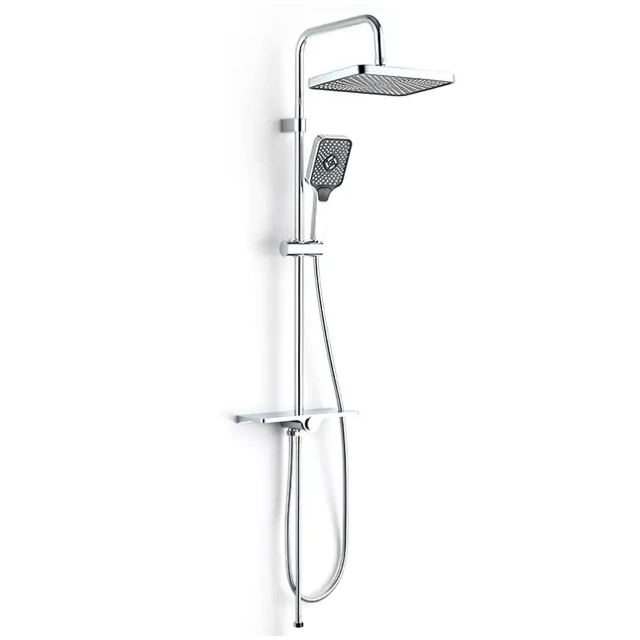
While installing a shower column can be a straightforward process, there are some common mistakes to avoid. These mistakes can lead to issues with functionality, leaks, and even damage to your bathroom walls. Here are some of the most common pitfalls to watch out for:
Incorrect Measurements and Placement: Proper measurements are essential for a successful installation. If you don't measure the height of the shower column and showerhead correctly, it can result in an uncomfortable experience. Make sure that the showerhead is placed above your head and is adjustable to suit your height.
Forgetting to Check Water Pressure and Temperature Controls: Before finishing the installation, always check the water pressure and temperature. If your shower column comes with a mixer, ensure that the temperature control is functioning properly and that the water flow is consistent. Failure to do so could result in issues during use.
Skipping Sealing and Waterproofing: It's essential to use Teflon tape and silicone sealant to ensure that there are no leaks. Many people overlook this step, leading to potential water damage in the bathroom.
Improper Mounting: Shower columns need to be securely mounted to the wall to avoid any movement or wobbling. If the wall isn't sturdy enough, the column might come loose over time. Consider reinforcing the wall or using extra support brackets to ensure the column stays in place.
Neglecting the Plumbing Setup: If your shower column has a mixer, ensure that it's compatible with your existing plumbing. If you're not sure, you might want to consult with a plumber to avoid any complications down the road.
Once your shower column is installed, it's essential to take care of it so that it remains functional and stylish for years to come. Regular maintenance helps ensure that the shower column continues to provide an enjoyable showering experience.
Regular Cleaning: Over time, mineral deposits from hard water can build up on the showerhead and column. To prevent clogs and maintain the performance of your shower, clean the components regularly. Use a soft cloth or sponge and a non-abrasive cleaner to wipe down the shower column. For hard-to-reach areas, consider using a vinegar-water solution to remove mineral deposits.
Inspect for Leaks: Even after installation, it's important to periodically check your shower column for leaks. If you notice any dripping water around the connections, tighten them or apply additional Teflon tape to ensure a secure seal.
Replace Worn Parts: Over time, some parts of the shower column, such as the mixer or showerhead, may wear out. If you notice a decrease in water flow or changes in water temperature, it might be time to replace the mixer or any faulty parts.
Check Water Pressure: Maintaining proper water pressure is crucial for the performance of your shower column. If you notice inconsistent water flow, it might be a sign that the pressure-balancing valve or other components need attention.
In conclusion, installing a shower column is a great way to upgrade your bathroom's design and functionality. Whether you choose a model with a mixer or one without, following the correct installation steps is key to ensuring a long-lasting and smooth operation. Avoid common installation mistakes, conduct regular maintenance, and enjoy the benefits of a modern and efficient shower column.
If you're in the market for a high-quality shower column, be sure to explore HUANYU's range of products. Our shower columns are designed for ease of installation, durability, and aesthetic appeal, offering various styles to suit your bathroom's needs.
A shower column with a mixer allows for temperature and water flow control in one unit, while a column without a mixer requires separate controls for each function.
To ensure proper mounting, use a level to check alignment, and securely fasten the column with screws. Ensure the wall can support the weight of the column.
Yes, if you have basic plumbing knowledge and the right tools, you can install a shower column yourself. However, hiring a professional can ensure that the job is done properly.
Regularly clean the showerhead and column with a non-abrasive cleaner. For mineral buildup, use a vinegar-water solution to remove deposits from the showerhead and nozzles.


