
- All
- Product Name
- Product Keyword
- Product Model
- Product Summary
- Product Description
- Multi Field Search


Views: 0 Author: Site Editor Publish Time: 2025-07-07 Origin: Site


You might think changing shower head sounds tough, but you can do it yourself in just minutes. No plumbing skills needed—just grab a wrench and maybe a little Teflon tape. Wondering, do you need to shut off the water or can i change a shower head myself? Most people find shower head replacement easy, and you won't damage anything if you follow a few basic steps. You'll love your new shower head, and changing out your showerhead brings a fresh, new feel to your space. This diy project will have you smiling after your replacement!
You can replace a shower head quickly using just a wrench, Teflon tape, and a soft cloth without special skills.
Choose a shower head that fits your water pressure needs and bathroom style for the best experience.
Wrap Teflon tape around the shower arm threads before installing the new shower head to prevent leaks.
Test for leaks after installation by turning on the water slowly and tighten or add tape if needed.
If you face low water pressure or leaks you cannot fix, consider cleaning the shower head or calling a plumber.
You do not need a toolbox full of fancy gadgets to remove a shower head or put in a new one. Most people already have what they need at home. Here is a quick list to get you started:
Adjustable wrench or pliers
Teflon tape (also called plumber's tape)
Soft cloth or rag
Step stool (if your shower is high up)
Tip: Wrap the cloth around the shower arm before using a wrench. This helps prevent scratches.
Experts like Ross Kesterson and Roy Barnes say you only need basic tools. They recommend using a wrench and Teflon tape for a tight fit. Most shower heads fit standard pipes, so you do not need special parts. Manufacturers test shower heads for water pressure, impact, temperature, and corrosion. This means your new shower head will last and work well.
Picking the right shower head can make your shower feel brand new. You want something that fits your needs and your bathroom style. Here is a quick look at the most common types:
Shower Head Type | Advantages | Drawbacks |
|---|---|---|
High Flow | Strong water pressure, spa-like feel | Uses more water, may cost more |
Standard | Saves water, eco-friendly | Lower pressure, may feel weak |
When you choose, think about what matters most. Do you want strong pressure or do you want to save water? Some models let you switch between spray patterns like massage, rain, or mist. Materials matter too. Brass and stainless steel last longer and resist rust. Experts say brass parts inside help prevent leaks.
Comparisons show that performance, durability, and water efficiency matter more than brand or price. Some high-pressure models have flow restrictors, so you get a strong spray but still save water. Always check if your home has good water pressure before you buy. A new shower head should be easy to install and maintain. If you want to remove a shower head and upgrade, look for one with universal fittings.
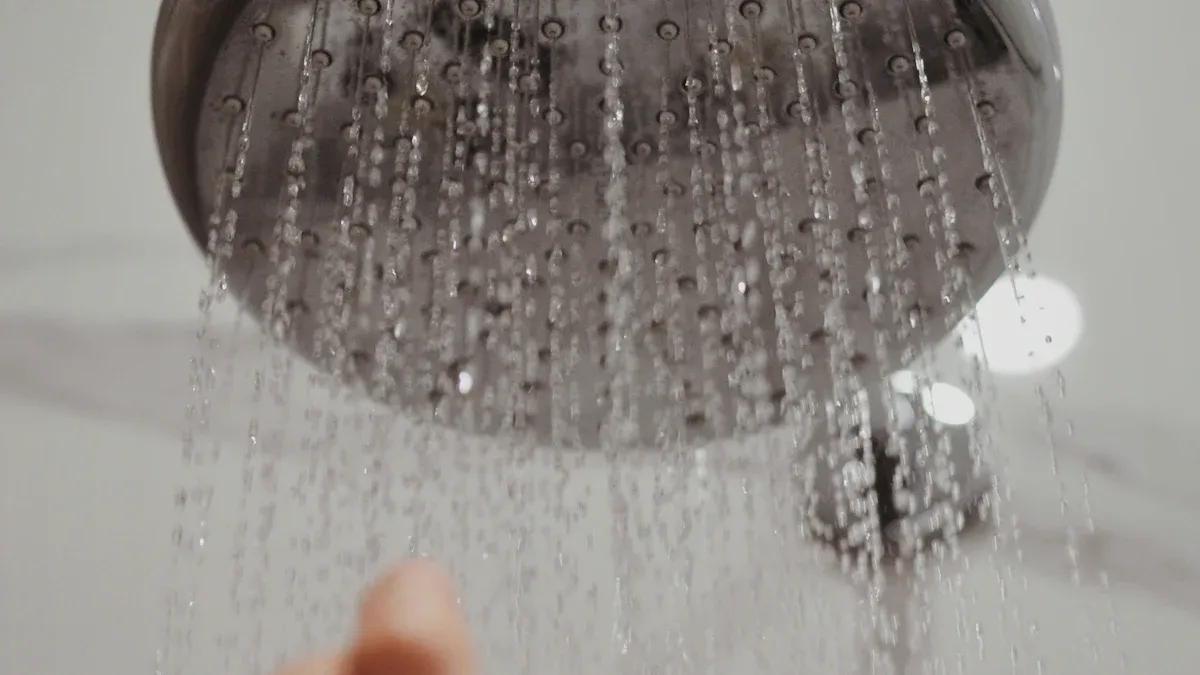
Changing shower head can feel like a big job, but you can do it in just a few steps. You do not need special skills or fancy tools. Most people finish this project in less than 15 minutes. Here's how to change a shower head and enjoy a fresh, new shower experience.
You do not need to shut off the main water supply. Just make sure the shower faucet is off. This keeps water from spraying while you work. If you want extra peace of mind, you can turn off the bathroom's water valve, but most people skip this step.
Try to remove the old showerhead by turning it counterclockwise with your hand.
If it feels stuck, grab a soft cloth and wrap it around the shower arm.
Use an adjustable wrench or pliers over the cloth to avoid scratches.
Hold the shower arm steady so it does not twist or break.
If mineral deposits make it hard to turn, fill a plastic bag with vinegar, secure it over the connection, and let it soak for a few hours. This loosens buildup and makes removal easier.
Tip: Common methods for removing a shower head include using a wrench, pliers, or even soaking the connection in vinegar to break up stubborn deposits.
Once you remove the old showerhead, check the threads on the shower arm. Use an old toothbrush and a little vinegar or a cleaning solution to scrub away any debris or mineral buildup. Dry the threads completely before you move on. Clean threads help your new shower head fit snugly and prevent leaks.
Cleaning Tools | Purpose |
|---|---|
Toothbrush | Scrub away debris |
Vinegar | Break up mineral buildup |
Cloth | Dry threads |
Now it's time to apply thread tape. Grab your Teflon tape and wrap the threads clockwise 3-5 times. Overlap each layer by half so you cover the entire threaded area. This step creates a watertight seal and helps prevent leaks. Remember to wrap the threads in the same direction you will screw on the new shower head.
Note: When you apply thread tape, you make it easier to install your new shower head and stop drips before they start.
You are ready to install your new shower head. Screw it onto the shower arm by hand, turning it clockwise. Hand-tighten until it feels snug. If you want, use a wrench for a final quarter turn, but do not overtighten. Most shower heads fit standard connections, so you do not need extra parts. Teflon tape helps seal the joint and stops leaks.
Turn on the water slowly and check for leaks. If you see drips, tighten the connection a bit more or reapply tape. Enjoy your new shower head and the fresh spray it brings!
Tip: The steps for how to install a fixed shower head, how to install a hand-held shower head, and how to install a combination shower head are almost the same. Just follow the instructions that come with your new model.
Quick Reference Table:
Step | What to Do |
|---|---|
Turn Off Water | Make sure faucet is off |
Remove Old Shower Head | Unscrew by hand or use wrench/pliers |
Clean Threads | Scrub with toothbrush and vinegar, then dry |
Apply Teflon Tape | Wrap the threads clockwise 3-5 times |
Install Your New Shower Head | Hand-tighten, then test for leaks |
Changing shower head is a simple way to upgrade your bathroom. You can change a shower head, replace a shower head, or even replace a showerhead with just a few tools. When you attach the new showerhead, always wrap the threads with tape for a tight seal. If you want to install your new shower head, just follow these steps and enjoy the results.
After you finish installing your new shower head, always test for leaks. Turn on the water slowly and watch the connection where the shower head meets the arm. If you see any drips, tighten the shower head by hand. Sometimes, a little extra turn is all it takes. If water still leaks, remove the shower head and add more Teflon tape to the threads. This tape helps create a tight seal and stops water from escaping. Many people use simple methods like watching for water drops or feeling around the joint. Advanced leak detection tools exist, but for home use, your eyes and hands work best.
Tip: Wipe the area dry before you start. This makes it easier to spot new leaks.
Leak Detection Method | How It Works |
|---|---|
Visual Inspection | Look for water drops |
Hand Check | Feel for moisture |
Teflon Tape Adjustment | Reseal and retighten |
Sometimes, you notice weak water flow after changing your shower head. This can happen for a few reasons. Newer shower heads often have flow rates between 1.5 and 2.5 gallons per minute (GPM). Some states set the limit even lower, which can reduce pressure. Smaller shower heads usually give stronger spray, while larger ones may feel softer.
Try these steps if you want to boost your water pressure:
Remove the shower head and soak it in white vinegar overnight. This clears mineral buildup.
Scrub the spray holes with a soft brush.
Check the shower arm for blockages and clean it out.
Make sure all valves are fully open.
If pressure stays low, consider a higher-flow shower head, but check local rules first.
If you still have problems, your pipes or water heater might need attention. Sometimes, a booster pump helps if your whole house has low pressure.
You can fix most shower head issues yourself. If you see leaks that will not stop, or if you find water stains on the ceiling or wall, call a plumber. Low pressure in every faucet could mean a bigger plumbing problem. If you feel unsure or notice rust, cracks, or broken parts, a professional can help. Plumbers have special tools and know-how to solve tough problems quickly.
Note: Never ignore leaks or drips. Small problems can turn into big repairs if left alone.
Great job! You just finished a diy project that many people find rewarding. Most users in a recent survey said they felt happier after switching shower heads. They loved the new spray and better pressure. You can enjoy your fresh shower every day. Want to help others? Share your success or try another home upgrade.
What People Loved Most | How It Helped |
|---|---|
Spray pattern | More comfort |
Spray intensity | Better feel |
Easy install | Quick results |
Yes, you can. Just make sure the shower faucet stays off while you work. Water will not spray out if you do this. Most people do not need to shut off the main water valve.
Most shower heads use a standard size. If it does not fit, check the packaging for the thread size. You may need an adapter. Here is a quick guide:
Problem | Solution |
|---|---|
Wrong thread | Use an adapter |
Too tight | Try more tape |
You should replace it every 6 to 8 years. Mineral buildup or leaks mean you may need to change it sooner. If you notice weak spray or rust, swap it out for a new one.
No, not all cleaners work well. Use white vinegar or a mild soap. Strong chemicals can damage the finish. Try this simple method:
Soak in vinegar for one hour
Rinse with water
Wipe dry


