
- All
- Product Name
- Product Keyword
- Product Model
- Product Summary
- Product Description
- Multi Field Search


Views: 0 Author: Site Editor Publish Time: 2025-07-10 Origin: Site


You can usually fix a dripping showerhead at home using just a few tools. When you notice your shower head dripping, don't ignore it. Even a small leak adds up fast.
A single dripping faucet wastes over 3,000 gallons of water per year.
Household leaks in the U.S. waste about 900 billion gallons every year.
Fixing leaks can save around 10% on your water bill.
When you get a shower head to stop dripping, you help your wallet and the planet. It feels good to know you can handle a showerhead problem yourself. Take care of that dripping showerhead quickly to avoid bigger issues later.
Find out why your showerhead drips. Look for loose connections, worn washers, mineral buildup, bad valves, or high water pressure.
Turn off the water supply before you start fixing it. This keeps you safe and stops water damage.
Clean your showerhead often with vinegar. This helps remove mineral deposits and stops leaks.
Change old washers, O-rings, or cartridges to fix leaks. This saves water and money.
Put plumber's tape on threads to make a tight seal. This helps stop drips. Call a professional if leaks do not stop or if you see broken pipes.
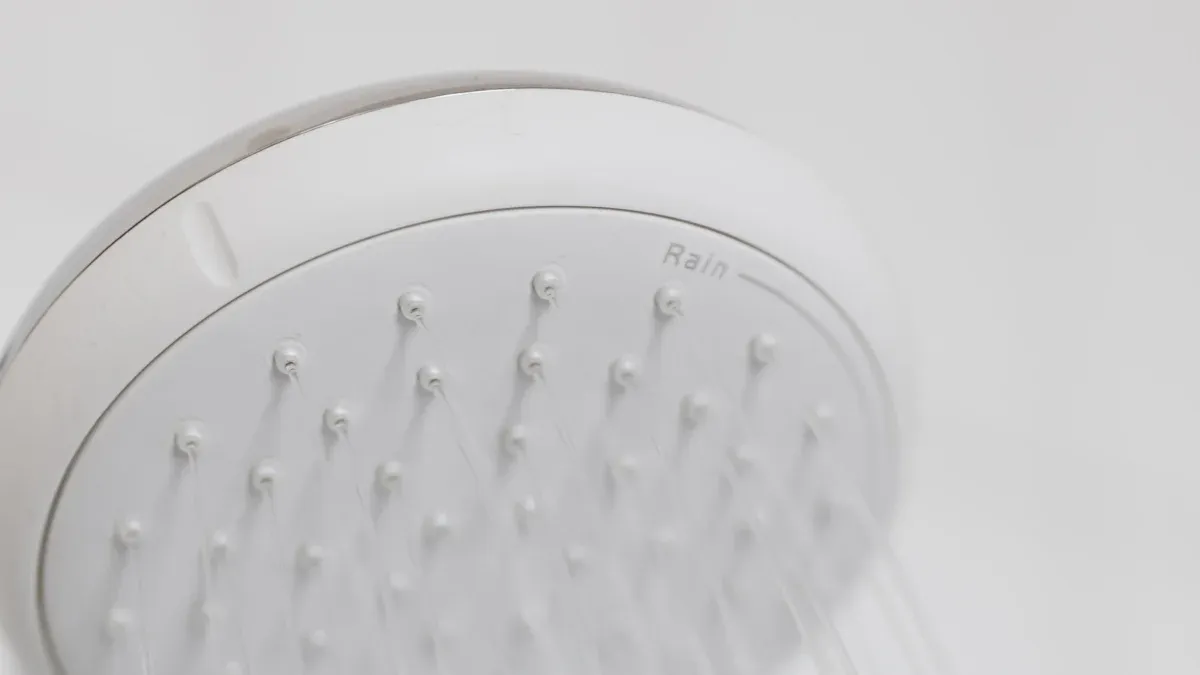
You might wonder why your showerhead keeps dripping. Most of the time, a few usual suspects cause this problem. Let's look at the most common reasons in the table below:
Cause | What Happens & How You Spot It |
|---|---|
Loose Connection | The shower head or hose feels wobbly or leaks at the joint. |
Worn Washer or O-ring | Rubber parts inside the showerhead get old or cracked, letting water sneak through. |
Mineral Deposits | Hard water leaves white or green buildup, clogging holes and causing uneven flow or dripping. |
Faulty Valve or Cartridge | The valve behind the wall wears out, so water keeps leaking even when you turn it off. |
High Water Pressure | Pressure above 80 psi can damage seals and fittings, leading to a dripping showerhead. |
Damaged Pipes | Old or broken pipes inside the wall can cause leaks that show up as a dripping showerhead. |
Tip: If you see water dripping from the lowest holes after you turn off the faucet, it could be trapped water. If the dripping keeps going, you probably have a bigger issue.
Industry reports say the most frequent causes include mineral buildup, worn washers or O-rings, and faulty cartridges. Sometimes, a leaking faucet valve causes the problem, not the shower head itself. Regular cleaning and replacing worn parts help prevent leaks.
You can diagnose the cause of a dripping showerhead with a few simple checks. Start by turning off the water. Next, unscrew the shower head and look for worn washers or O-rings. If you see white or green crust, mineral deposits are likely the culprit. Check the connection between the showerhead and the pipe. If it feels loose, tighten it by hand.
If the showerhead looks clean and the washers seem fine, try this: Remove the shower head and turn the water on for a second. If water still drips from the pipe, the problem sits deeper, like a faulty valve or cartridge. You may need to replace these parts. High water pressure can also cause persistent dripping. You can use a pressure gauge to check if your home's water pressure is too high.
Note: If you spot water stains or damp spots on the wall, damaged pipes might be the reason for your dripping showerhead. In that case, you may want to call a pro.
By following these steps, you can quickly figure out what's causing your dripping showerhead and decide what to do next.
Fixing a showerhead leak can feel easy when you have the right tools and steps. Let's walk through how to repair a showerhead and stop that annoying drip for good.
Before you start, gather everything you need. Having your tools ready makes the job smoother and faster. Here's a handy checklist:
Adjustable wrench
Screwdrivers (flathead and Phillips)
Allen wrenches
Soft cloth
Scouring pad or old toothbrush
White vinegar
Showerhead gasket or O-ring (replacement)
PTFE thread tape (plumber's tape)
Replacement valve cartridge (if needed)
Shower handle rebuild kit (optional)
Plastic bag and rubber band (for soaking)
Small bowl or tray (for holding screws)
Tip: Lay a towel in the tub or shower to catch any dropped parts and protect surfaces.
Always turn off both hot and cold water supplies before you repair your dripping showerhead. This step keeps you safe and prevents water from spraying everywhere. You can usually find shut-off valves near the bathroom or in the basement. If you can't find them, turn off the main water supply for your home.
The California Health and Safety Code says you must control both hot and cold water for safety. Hot water can reach 120°F or higher, so shutting off both lines helps you avoid burns and keeps your repair safe. Flushing both lines after repairs also helps prevent bacteria and keeps your water fresh.
Now, take off the showerhead. Hold it with a soft cloth to protect the finish, then twist it off by hand. If it feels stuck, use an adjustable wrench. Wrap the jaws with a cloth to avoid scratches.
Once you remove the showerhead, check for mineral deposits or gunk. Don't use bleach or harsh chemicals. Instead, soak the showerhead in a 50/50 mix of white vinegar and water for a few hours. If you can't remove it, fill a plastic bag with vinegar, place it over the showerhead, and secure it with a rubber band. After soaking, scrub the holes with a toothbrush or scouring pad. Rinse well and run hot water through it to clear out any leftover debris.
Note: Regular cleaning with vinegar keeps your showerhead free from buildup and helps prevent future leaks.
Worn washers or O-rings often cause leaks. These small rubber parts create a seal inside the showerhead. When they wear out, water sneaks through and causes drips.
Here's how to replace them:
Unscrew the showerhead and look for a rubber washer or O-ring inside.
Use a screwdriver or your fingers to remove the old washer or O-ring.
Take the old part to the hardware store to find an exact match.
Insert the new washer or O-ring into the same spot.
Reattach the showerhead and hand-tighten it.
Replacing these parts restores the watertight seal and usually stops the leak. Most repair guides say this simple fix saves water and prevents bigger problems.
If your showerhead still leaks after cleaning and replacing washers, the problem may be deeper. The valve cartridge inside the wall can wear out over time. Learning how to fix a leaky shower cartridge can solve stubborn leaks.
Follow these steps:
Shut off the water supply.
Remove the shower handle using a screwdriver or Allen wrench.
Take off the trim plate to reach the valve.
If needed, cut a small access hole in the wall (make sure the trim plate will cover it later).
Find the retaining clip and pull it out.
Gently pull out the old cartridge. If it's stuck, use pliers.
Insert a new cartridge that matches the old one.
Replace the retaining clip, trim plate, and handle.
Turn the water back on and test for leaks.
If the cartridge looks rusty or damaged, you may need to replace the whole valve. Cover the drain so you don't lose small parts. Always double-check the cartridge size before installing.
Tip: If you want to know how to repair a showerhead with a faulty valve, replacing the cartridge is often the answer.
Plumber's tape, also called PTFE or Teflon tape, helps seal the threads where the showerhead connects to the pipe. It stops leaks and makes the connection tighter.
Here's how to use it:
Clean the threads on the shower arm with a cloth.
Wrap plumber's tape around the threads 2-3 times in the same direction you'll screw on the showerhead.
Press the tape down so it sticks.
Screw the showerhead back on by hand. Use a wrench if needed, but don't overtighten.
Plumber's tape fills tiny gaps and keeps water from leaking out. Many plumbers use this trick to make sure the showerhead stays secure and leak-free.
Note: If you finish all these steps and still see a dripping showerhead, you may need to call a professional for help.
Now you know how to repair a showerhead, from cleaning to replacing parts. These steps help you fix leaks, save water, and keep your shower working like new.
Sometimes, you fix a showerhead leak, but water still drips. This can feel frustrating. You might wonder why your shower head keeps leaking when it's shut off. Let's walk through a quick checklist to help you find the real problem:
Make sure all main water valves are fully open. Check the main shutoff and the water heater valve.
Look for rusty or discolored water when you first turn on the faucet. This can mean corroded or clogged pipes.
Check the pressure-reducing valve. If it's not working right, you might have low or high water pressure.
Clean or upgrade the showerhead. Old or clogged fixtures can cause leaks.
Avoid removing flow restrictors. Instead, clean the showerhead or try a new high-pressure model.
Watch for signs of water damage on walls or ceilings. These can point to hidden leaks.
If you still see showerhead leaks after these steps, the issue might be deeper in your plumbing. Sometimes, the best solution is to replace old pipes or install a shower booster pump if your home has low water pressure. Early detection helps prevent bigger problems and water damage.
Tip: Small leaks can waste up to 90 gallons of water every day. Fixing them quickly saves money and protects your home.
You can fix a showerhead leak most of the time. But some problems need a professional. If you see water stains, hear strange noises, or notice the leak gets worse, call a plumber. Complex repairs, like broken shower valves or hidden pipe leaks, often need expert tools and skills.
Here's a quick table to help you decide:
Repair Issue | Estimated Cost Range | When to Call a Pro |
|---|---|---|
Leaky Showerhead | $20 - $50 | You can usually fix this at home. |
Broken Shower Valve | $50 - $150 | Call a pro. Valves are tricky and sit behind the wall. |
Clogged Shower Drain | $10 - $50 | Try at home first. If it stays clogged, call a plumber. |
Shower Panel Repairs | $100 - $300 | Call a pro. Panels have many controls and water lines. |
Professional repairs help stop water waste. Showers use about 2.5 gallons per minute. If you wait, leaks can add up to hundreds of gallons lost each week. When you see signs of bigger trouble, don't wait. A plumber can find the cause and offer a lasting repair.
Note: The average cost to replace a showerhead can reach $260. If you see corrosion, need a complex installation, or have more than one showerhead, a pro can save you time and stress.
You can fix a dripping showerhead by following a few simple steps:
Spot the cause of the leak.
Grab the right tools.
Clean or replace worn parts.
Test your repair.
Quick action saves water and money. Most repairs feel easy once you start. If you run into trouble, call a pro. Don't let a small drip turn into a big problem—take charge and enjoy a leak-free shower!
You should clean it every three months. Hard water can build up fast. Regular cleaning keeps water flowing and helps prevent leaks. If you see white spots or slow flow, it's time for a quick scrub.
You should use PTFE (Teflon) tape for showerheads. It seals threads and stops leaks. Avoid tapes made for gas lines. Look for white plumber's tape at any hardware store.
Try these steps:
Double-check all connections.
Replace washers or O-rings again.
Test water pressure. If it still drips, you might need a plumber. Sometimes, hidden valve or pipe issues cause leaks.
A new showerhead can help if the old one has cracks or buildup. If the leak comes from the valve or pipe, a new head won't solve it. Always check the source before buying a replacement.
Most metal and plastic showerheads handle vinegar well. Avoid soaking brass or gold finishes for too long. Always rinse and dry after cleaning. If you're unsure, check the manufacturer's care guide.


